
July 2026 · Recreation
The World’s Greatest Card Game
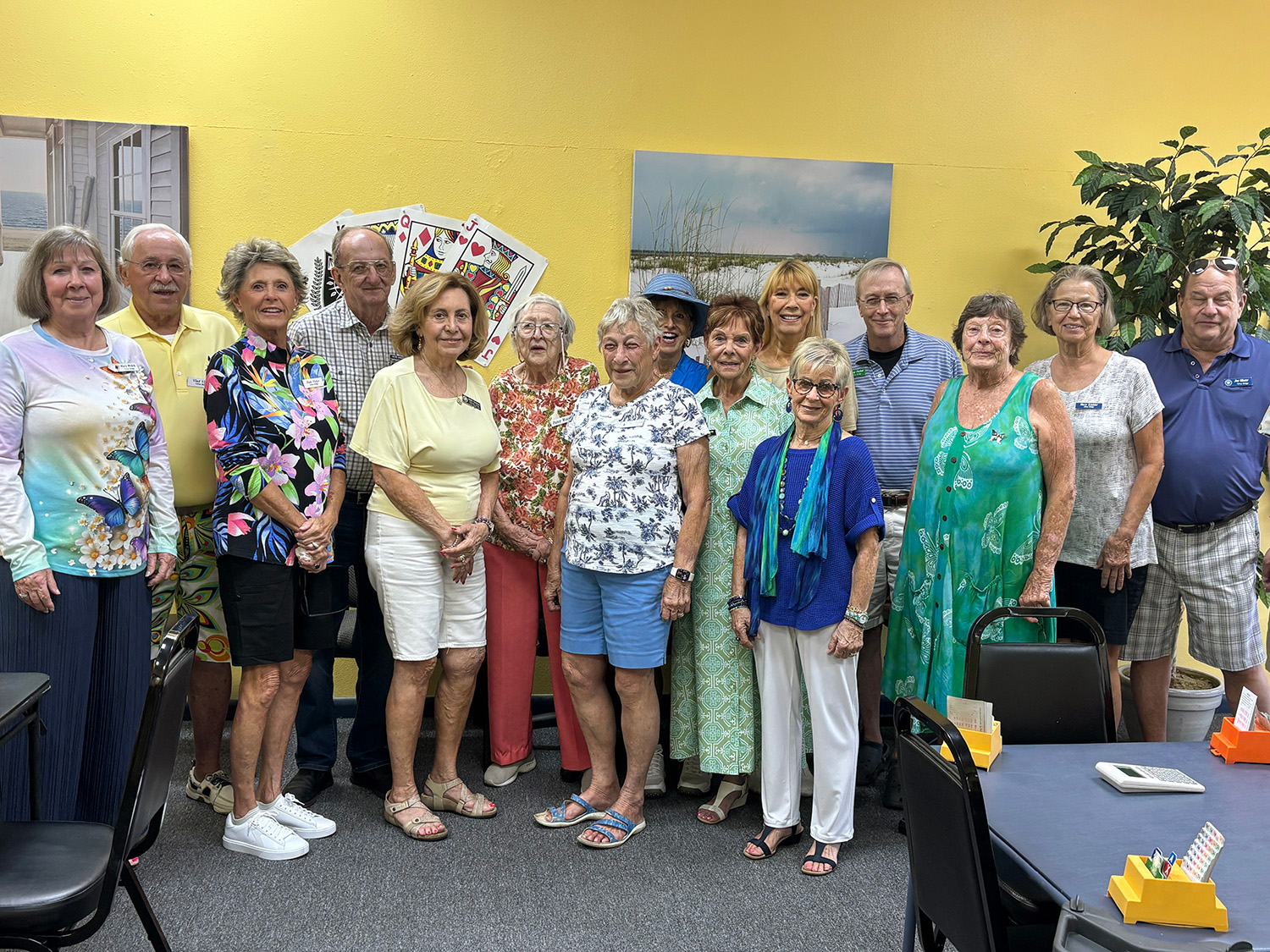
Card games come and go in popularity, but one has never really left the room. Long after canasta faded from fashion and gin rummy became mostly a family-reunion curiosity, bridge is still being dealt out on folding tables in senior centers, community rooms, and kitchen tables across Citrus and Hernando County. Four players, four hands, thirteen cards apiece — and a conversation about strategy, memory, and partnership that has been running for the better part of a century. Once it gets its hooks into a new player, it rarely lets go.
Part of the appeal is structural. Unlike solitaire or even poker, bridge is built entirely around partnership — two players seated across from one another, working as a team without being allowed to say a single word about what is in each other’s hands. The bidding that opens every deal is really a coded conversation, a shorthand built up over decades that lets partners describe their cards to one another while their opponents listen in and try to guess along. That mix of hidden information, calculated risk, and wordless teamwork is a big part of why so many players describe bridge as equal parts card game and puzzle.
“Bid it boldly, regret it quietly.”
The mental workout is one of the most commonly cited reasons players stick with the game well into their eighties and nineties. A single hand asks a player to track four suits, remember what has already been played, count what remains in the deck, and adjust strategy on the fly — all while reading a partner’s bids and an opponent’s plays for clues. Senior wellness programs frequently point to bridge, alongside other strategy games, as a favorite for keeping the mind engaged, and players themselves commonly report feeling sharper and more focused after a regular session. By most accounts, it is a workout that happens to be more fun than exercise usually is.
Just as important is what happens around the table. A standing weekly bridge game is a built-in appointment to leave the house, see familiar faces, and catch up before the cards are even dealt. For many older adults, that regular, low-pressure social contact matters as much as the game itself — a reliable reason to get dressed, get out, and be somewhere that people are expecting you. Partners get to know each other’s habits and quirks over years of play, and a standing table often turns into a genuine friendship that outlasts any single game.
Your business here — reach 47,000+ readers
See advertising rates →Organized club play has its own rhythm. Most games pair players into fixed partnerships — North and South facing East and West — and rotate tables through a set of hands over the course of an afternoon. Many clubs use a format called duplicate bridge, in which the same hands are played at several tables so the outcome depends on skill rather than the luck of a particular deal, with scores compared across the room at the end of the session. Others favor a more relaxed social or “party” bridge, played purely for enjoyment with looser scoring and no pressure to compete. Either way, a typical session runs a few hours, with a break for coffee or a light snack somewhere in the middle.
None of this requires decades of experience to join. Most local groups happily set aside time to walk newcomers through the basics of bidding and play before folding them into an open game, and regulars tend to be patient with new partners — everyone at the table was a beginner once. A little quiet concentration during the bidding gives way to easy conversation between hands, and it is common for a new player to show up without a partner and simply be paired with someone for the afternoon.
Finding a table nearby usually starts close to home. Most senior centers in Citrus and Hernando County keep a standing bridge game on their weekly activity calendar, and a growing number of public libraries now host drop-in card afternoons open to players of any skill level. It is worth calling ahead to confirm the day, time, and whether newcomers should bring a partner or simply show up. And each month, this paper’s own club and activity listings carry a running directory of local games across both counties — a good place to start for anyone ready to pull up a chair and learn to bid boldly.
Read the full July issue
For every story in this issue — plus the full calendar of local clubs and activities — read the complete July edition of The Senior Voice, free, cover to cover.
More from Senior Voice
June 2026
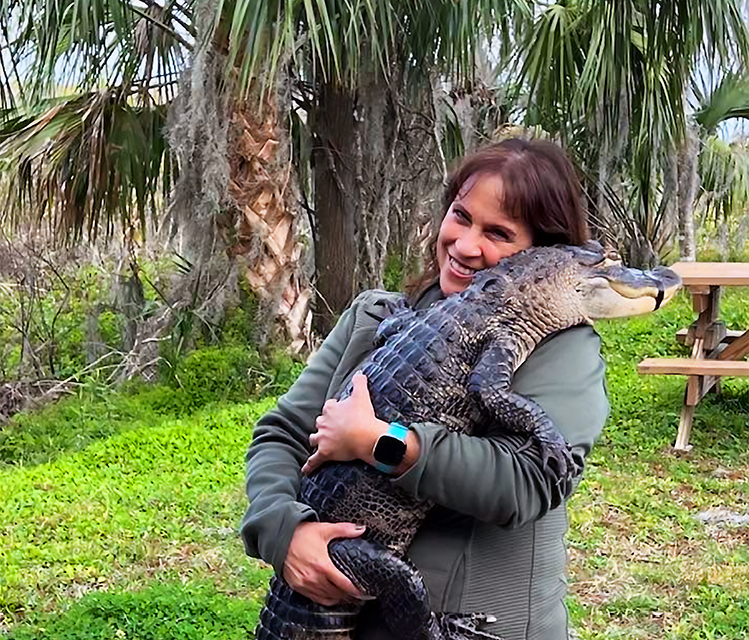
Fran’s Adventures: The Next Generation
The Frantastic Adventures Continue…
Read the story →
May 2026
Understanding Your Lipid Panel for Heart Health
Your blood is speaking: listen now…
Read the story →
Browse
Every Issue, In One Place
Current issues and back issues for Citrus and Hernando County, ready to read.
View the archive →